Use Cases / AI Solutions
The Cleaning Schedule No One Had Actually Checked
Budapest
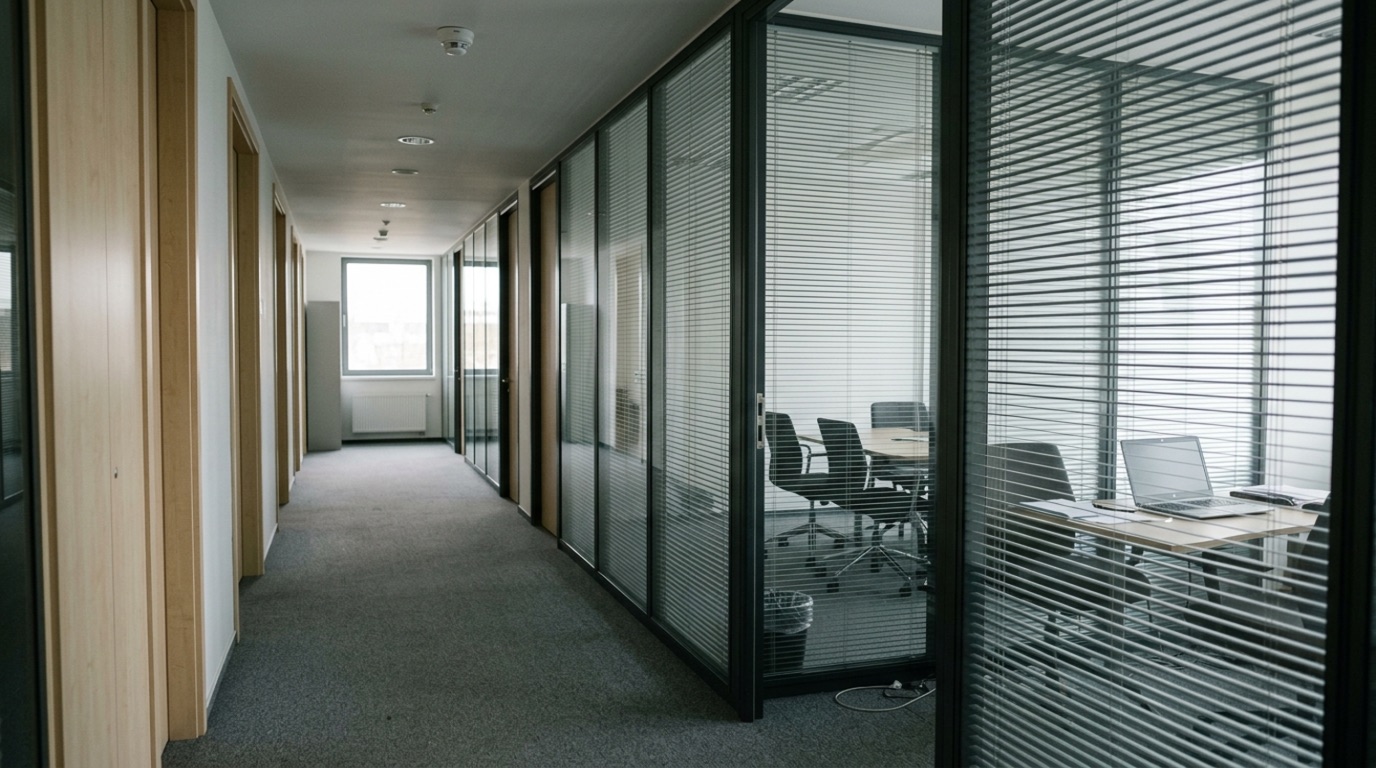
A shared office building in Budapest had run the same cleaning schedule for three years. Every meeting room, every floor, cleaned daily, whether it had been used once that day or not at all.
The facilities manager suspected the schedule was wasteful, but had no real evidence either way. Nobody had ever tracked which rooms were actually being used, and manually reviewing weeks of access logs and motion data across six floors wasn't a realistic use of anyone's time. The cleaning contractor billed by scheduled hours regardless of actual need, and her budget requests to cut costs kept getting rejected for lack of any data to justify the change. She didn't need new hardware; the building's access control and motion sensors already existed. She just had no way to turn months of raw sensor data into something she could act on. She asked AION Networks, who managed the building's access and network systems, whether anything could be done with the data already being collected.
AION built a lightweight AI reporting layer that read the existing access and motion sensor data across all six floors, identifying actual usage patterns per room over several weeks: which meeting rooms sat empty most days, which were used constantly, and which floors saw heavy weekday traffic but almost none on Fridays. The system generated a simple weekly usage report automatically, with no new sensors and no manual log review required.
The facilities manager used the first month's report to renegotiate the cleaning contract around actual usage, cutting scheduled hours for consistently empty rooms and increasing frequency where it was genuinely needed. The budget request that had been rejected twice before was approved within a week, backed by data the building had been collecting all along. AION continues to refine the usage reporting as the building's tenant mix changes.
Discuss your project